

New Digital Technologies and the Challenges of Evidence
This project conceptualizes and makes significant contributions to the anthropology of expertise and evidence, and to the anthropology of science and new technologies more broadly. Our research illuminates the benefits and methodological challenges concerning how technology works to produce forms of advocacy that inspire social movements. By tracking how new technologies and platforms can lead to the democratization of judicial knowledge and evidence, this research makes a substantial contribution to a nascent field of study—the anthropology of geospatial technologies—with relevance for several related disciplines and bodies of literature. Our research demonstrates how citizen-activists organized through collectives are learning how to use geospatial technologies to help find the missing. In sites such as Mexico(Phase I) and Nigeria (Phase II), citizens and advocates are challenging the hierarchization of knowledge production and valuation. Our findings through multi-sited fieldwork in and beyond The Hague (Phase III), which was focused on elite sites of technical and legal knowledge production centered around accountability mechanisms, illustrate the challenges of translating new technologies into evidentiary forms of knowledge.
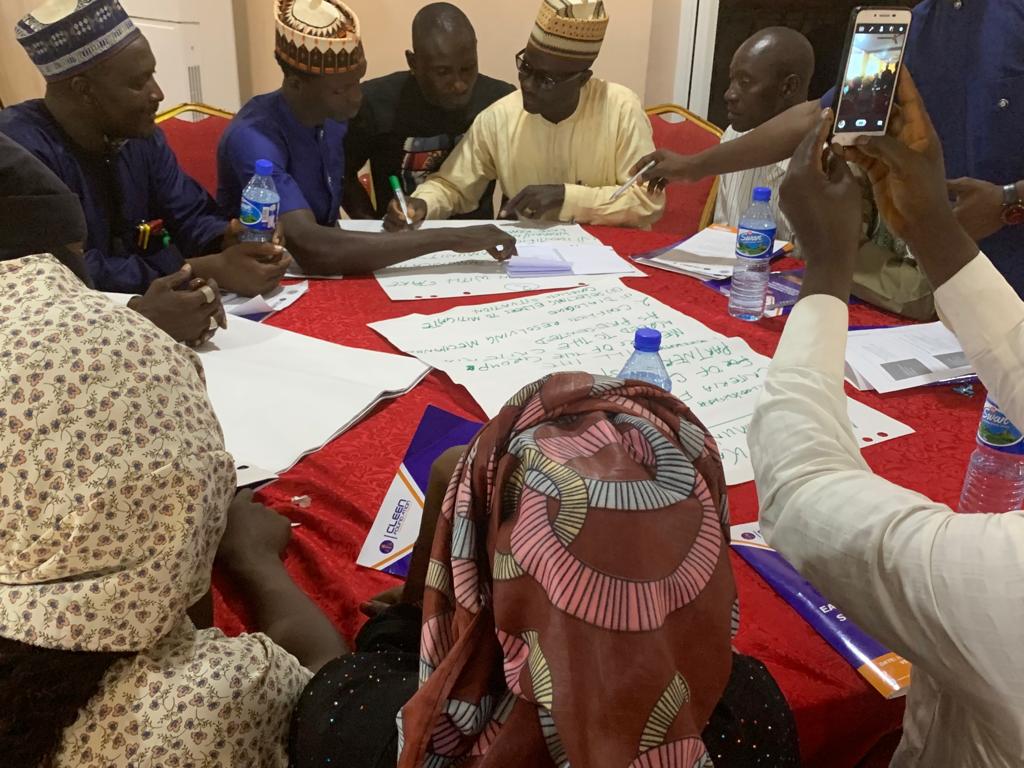
Early Warning Early Response in Nigeria
In Nigeria today frequent conflicts, disappearances and mass violence, especially in the Northern region of the country, have amounted to large-scale destruction of property, loss of human lives and the displacement of large populations. As these conflicts and violence rage in communities that are far removed from the capital city, several community members are grappling with securing their lives and property. The Village Monitoring System and Early Warning Early Response Project has been designed to empower citizens in the communities with information about attacks, knowledge of how to respond and space for safe sharing and learning about attacks and how to deescalate them. Popularly known as the EWER project, it was launched in September 2021 and formally took off in Kaduna, Plateau, Taraba and Zamfara states between November 2021 and February 2022. The project has set up 16 EWER forums in the four states made up of 160 community members (10 in each) that were adjudged of integrity, concerned about the security of the community and possess a strong ability to work with others.

Pedagogies of the Emergent
This research explores various archives of the Black Atlantic world to discuss, analyze and display elements of Black cultural presence as expressed through naming practices, Anansi trickster stories, religious practices, proverbs and adages, as well as musical and cultural production. This work also considers theories of absence in terms of what is missing from the archives, and presence as in the methods of transnational and intergenerational transmissions of information, practices, heritage, modes of storytelling, and being in the world. In addition to this website, there is also a StoryMap layout. Viewers can click and zoom in on any maps, videos, or images displayed in this map. Some maps are displayed side by side, so viewers can shift to see which aspects they wish to highlight.
/

Religion, Diaspora and the Limits of the Law
Over the past two decades, I have been engaged in analyzing a range of contemporary challenges in transnational black occult religions that are sometimes at odds with emergent rights endowed agendas of state and international institutions. The manuscript from which is evolving from that research is entitled Of Dreamers and the Limits of the Law: Dilemmas in the Exercise of Religious Freedom